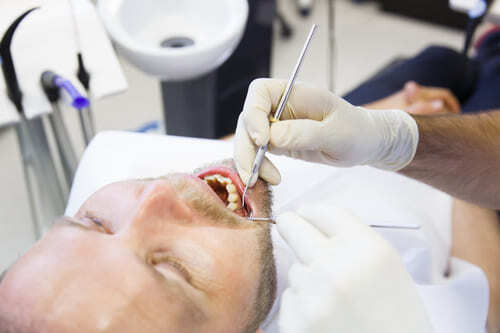
Having your wisdom teeth removed can bring relief from crowding, pain, or constant irritation, but the days that follow surgery aren’t always easy. For many people in San Bernardino, the most common concerns after the procedure are swelling and discomfort. These symptoms are completely normal, but knowing how to handle them can make a big difference in how quickly and smoothly your recovery goes.
The first few days after surgery are the most delicate. It’s the period when your body kicks into gear to heal, and how you manage that time plays a big part in how you feel. If you go in knowing what to expect and how to react, you’re already setting yourself up for a better experience. Whether you're preparing for your own upcoming procedure or helping someone else through it, having the right tips ready can really ease the process.
What To Expect After Wisdom Teeth Removal
Once the numbing wears off after your surgery, you'll start to notice several things happening. Swelling near your cheeks and jaw is one of the first changes most people notice. This is your body’s natural reaction as it works to heal the area. Some soreness, stiffness when opening your mouth, and mild bruising are also common during this time.
This kind of swelling tends to peak around the second or third day after surgery. After that, it usually goes down on its own if cared for properly. Discomfort can last a little longer, especially if more than one tooth was removed, or if they were impacted. Some people are surprised by the tightness or pressure in their jaw area, especially when trying to eat or talk. That soreness fades with time, but it helps to stick to soft foods for a few days to avoid making things worse.
Bleeding, while part of the process, should slow down within the first 24 hours. A little pink in your spit might still show up on day two, but it shouldn’t be constant. If you’re seeing bright red blood that won’t stop, though, that’s something to let your dentist know about right away. Most side effects from wisdom teeth removal feel a bit uncomfortable, but they’re usually easy to manage with the right care.
Effective Ways To Manage Swelling
Swelling after wisdom teeth removal isn't something you can avoid, but there are ways to help control it. If you catch it early and stay consistent with these ideas, you’ll likely start feeling better quicker.
Here are a few tried-and-true ways to ease swelling:
- Use an ice pack on your face during the first 24 to 36 hours. Place it over the sore area for 15 to 20 minutes at a time, then take a break. This can help slow down blood flow and reduce swelling around the jaw and cheek.
- Keep your head slightly raised when resting or sleeping. Stack up a couple of pillows so your face isn’t flat. This keeps fluids from pooling up around your jaw, which adds to the swelling.
- Drink plenty of water throughout the day. Staying hydrated helps your body heal and flush out swelling-causing fluids. Just remember to sip carefully and avoid using straws, since the suction can disturb the surgical site.
Taking care of swelling right away helps you stay more comfortable in those first few days post-surgery. Even if you start to feel better quickly, don’t stop these habits too soon. Stick with them until the swelling is mostly gone to avoid setbacks. This part of your healing may not last long, but the way you care for yourself during it can really shape your recovery.
Tips For Reducing Discomfort
Feeling some discomfort after wisdom teeth removal is expected, but that doesn’t mean you have to deal with severe pain. A few smart steps can help make those first days a lot more manageable. Choosing the right pain relief, watching what you eat, and keeping your mouth clean all play a role.
Many people do just fine with common over-the-counter pain relievers. You’ll want to follow your dentist’s guidance on what type to take and how often. Sometimes a prescription is needed, especially if your teeth were impacted or the procedure took longer than usual. Don’t skip doses or wait too long between them. Staying ahead of the pain is much easier than trying to get it under control once it flares up.
Food makes a difference too. You’ll want to avoid anything that’s crunchy, spicy, or hard to chew. Stick with soft foods that won’t irritate the surgery sites. Great choices include:
- Applesauce or mashed bananas for something smooth and sweet
- Yogurt or pudding, which is easy to swallow and gentle on the mouth
- Mashed potatoes or scrambled eggs for something a little more filling
- Lukewarm soups that aren’t too salty or acidic
- Oatmeal or rice that’s soft and well-cooked
Skip hot drinks, acidic juices, and anything with seeds or small bits that could get caught in the healing spots. As the days go by, you can return to your regular diet a little at a time.
Keeping the area clean without bothering the surgical sites is also important. You’ll usually be told to avoid brushing right next to the extraction areas for at least a day. Rinse gently with a saltwater mix after meals, but don’t swish hard. Avoid mouthwash with alcohol while you’re healing since it can sting and dry out your mouth.
When To Contact Your Dentist
The healing process comes with some discomfort, but there are times when things don’t feel quite right. Knowing when to reach out to your dentist can help stop a small issue from turning into something bigger.
Pay attention to how things feel over the first week. It’s normal for swelling and soreness to linger for a few days, but they should steadily improve. Contact your dentist right away if you notice:
- Bleeding that doesn’t stop even after applying pressure
- A foul taste or smell in the mouth that doesn’t go away
- Swelling that gets worse after the third day instead of better
- A fever or chills, which can be signs of infection
- Sharp intense pain several days after surgery that doesn’t ease with medication
Follow-up appointments are also part of the recovery plan. Your dentist may need to check that everything’s healing correctly, especially if you had stitches or a deeper extraction. Missing these visits can delay your recovery or lead to bigger issues later. Even if things seem to be going fine, it’s worth having a professional look things over.
Being open about how you’re feeling helps your dentist make better decisions about your care. If something feels off, trust your gut and make the call.
Navigating Your Recovery with Confidence
Getting through wisdom teeth removal doesn’t have to be intimidating. A little bit of care at the right time can save you a lot of discomfort later. From taking regular breaks with an ice pack to sipping your water slowly, each step plays a small but helpful role in speeding up your recovery.
You don’t need to figure it all out on your own. People in San Bernardino who follow these basic aftercare steps usually find they bounce back much smoother than expected. Paying attention, being gentle with yourself, and giving your mouth the time it needs to heal will go a long way.
If anything during your recovery feels confusing or painful, don’t wait it out. The right support can make things much clearer and bring peace of mind during the healing process. Taking the right actions early on can keep your recovery on track and lower the chance of long-term discomfort.
Taking care of your mouth after wisdom teeth removal can make healing quicker and easier. If you're looking for top-notch care and support for wisdom teeth removal in San Bernardino, Vernon Dental Specialty is here to help. Our team offers personalized guidance to make your recovery as smooth and comfortable as possible.
The first few days after surgery are the most delicate. It’s the period when your body kicks into gear to heal, and how you manage that time plays a big part in how you feel. If you go in knowing what to expect and how to react, you’re already setting yourself up for a better experience. Whether you're preparing for your own upcoming procedure or helping someone else through it, having the right tips ready can really ease the process.
What To Expect After Wisdom Teeth Removal
Once the numbing wears off after your surgery, you'll start to notice several things happening. Swelling near your cheeks and jaw is one of the first changes most people notice. This is your body’s natural reaction as it works to heal the area. Some soreness, stiffness when opening your mouth, and mild bruising are also common during this time.
This kind of swelling tends to peak around the second or third day after surgery. After that, it usually goes down on its own if cared for properly. Discomfort can last a little longer, especially if more than one tooth was removed, or if they were impacted. Some people are surprised by the tightness or pressure in their jaw area, especially when trying to eat or talk. That soreness fades with time, but it helps to stick to soft foods for a few days to avoid making things worse.
Bleeding, while part of the process, should slow down within the first 24 hours. A little pink in your spit might still show up on day two, but it shouldn’t be constant. If you’re seeing bright red blood that won’t stop, though, that’s something to let your dentist know about right away. Most side effects from wisdom teeth removal feel a bit uncomfortable, but they’re usually easy to manage with the right care.
Effective Ways To Manage Swelling
Swelling after wisdom teeth removal isn't something you can avoid, but there are ways to help control it. If you catch it early and stay consistent with these ideas, you’ll likely start feeling better quicker.
Here are a few tried-and-true ways to ease swelling:
- Use an ice pack on your face during the first 24 to 36 hours. Place it over the sore area for 15 to 20 minutes at a time, then take a break. This can help slow down blood flow and reduce swelling around the jaw and cheek.
- Keep your head slightly raised when resting or sleeping. Stack up a couple of pillows so your face isn’t flat. This keeps fluids from pooling up around your jaw, which adds to the swelling.
- Drink plenty of water throughout the day. Staying hydrated helps your body heal and flush out swelling-causing fluids. Just remember to sip carefully and avoid using straws, since the suction can disturb the surgical site.
Taking care of swelling right away helps you stay more comfortable in those first few days post-surgery. Even if you start to feel better quickly, don’t stop these habits too soon. Stick with them until the swelling is mostly gone to avoid setbacks. This part of your healing may not last long, but the way you care for yourself during it can really shape your recovery.
Tips For Reducing Discomfort
Feeling some discomfort after wisdom teeth removal is expected, but that doesn’t mean you have to deal with severe pain. A few smart steps can help make those first days a lot more manageable. Choosing the right pain relief, watching what you eat, and keeping your mouth clean all play a role.
Many people do just fine with common over-the-counter pain relievers. You’ll want to follow your dentist’s guidance on what type to take and how often. Sometimes a prescription is needed, especially if your teeth were impacted or the procedure took longer than usual. Don’t skip doses or wait too long between them. Staying ahead of the pain is much easier than trying to get it under control once it flares up.
Food makes a difference too. You’ll want to avoid anything that’s crunchy, spicy, or hard to chew. Stick with soft foods that won’t irritate the surgery sites. Great choices include:
- Applesauce or mashed bananas for something smooth and sweet
- Yogurt or pudding, which is easy to swallow and gentle on the mouth
- Mashed potatoes or scrambled eggs for something a little more filling
- Lukewarm soups that aren’t too salty or acidic
- Oatmeal or rice that’s soft and well-cooked
Skip hot drinks, acidic juices, and anything with seeds or small bits that could get caught in the healing spots. As the days go by, you can return to your regular diet a little at a time.
Keeping the area clean without bothering the surgical sites is also important. You’ll usually be told to avoid brushing right next to the extraction areas for at least a day. Rinse gently with a saltwater mix after meals, but don’t swish hard. Avoid mouthwash with alcohol while you’re healing since it can sting and dry out your mouth.
When To Contact Your Dentist
The healing process comes with some discomfort, but there are times when things don’t feel quite right. Knowing when to reach out to your dentist can help stop a small issue from turning into something bigger.
Pay attention to how things feel over the first week. It’s normal for swelling and soreness to linger for a few days, but they should steadily improve. Contact your dentist right away if you notice:
- Bleeding that doesn’t stop even after applying pressure
- A foul taste or smell in the mouth that doesn’t go away
- Swelling that gets worse after the third day instead of better
- A fever or chills, which can be signs of infection
- Sharp intense pain several days after surgery that doesn’t ease with medication
Follow-up appointments are also part of the recovery plan. Your dentist may need to check that everything’s healing correctly, especially if you had stitches or a deeper extraction. Missing these visits can delay your recovery or lead to bigger issues later. Even if things seem to be going fine, it’s worth having a professional look things over.
Being open about how you’re feeling helps your dentist make better decisions about your care. If something feels off, trust your gut and make the call.
Navigating Your Recovery with Confidence
Getting through wisdom teeth removal doesn’t have to be intimidating. A little bit of care at the right time can save you a lot of discomfort later. From taking regular breaks with an ice pack to sipping your water slowly, each step plays a small but helpful role in speeding up your recovery.
You don’t need to figure it all out on your own. People in San Bernardino who follow these basic aftercare steps usually find they bounce back much smoother than expected. Paying attention, being gentle with yourself, and giving your mouth the time it needs to heal will go a long way.
If anything during your recovery feels confusing or painful, don’t wait it out. The right support can make things much clearer and bring peace of mind during the healing process. Taking the right actions early on can keep your recovery on track and lower the chance of long-term discomfort.
Taking care of your mouth after wisdom teeth removal can make healing quicker and easier. If you're looking for top-notch care and support for wisdom teeth removal in San Bernardino, Vernon Dental Specialty is here to help. Our team offers personalized guidance to make your recovery as smooth and comfortable as possible.