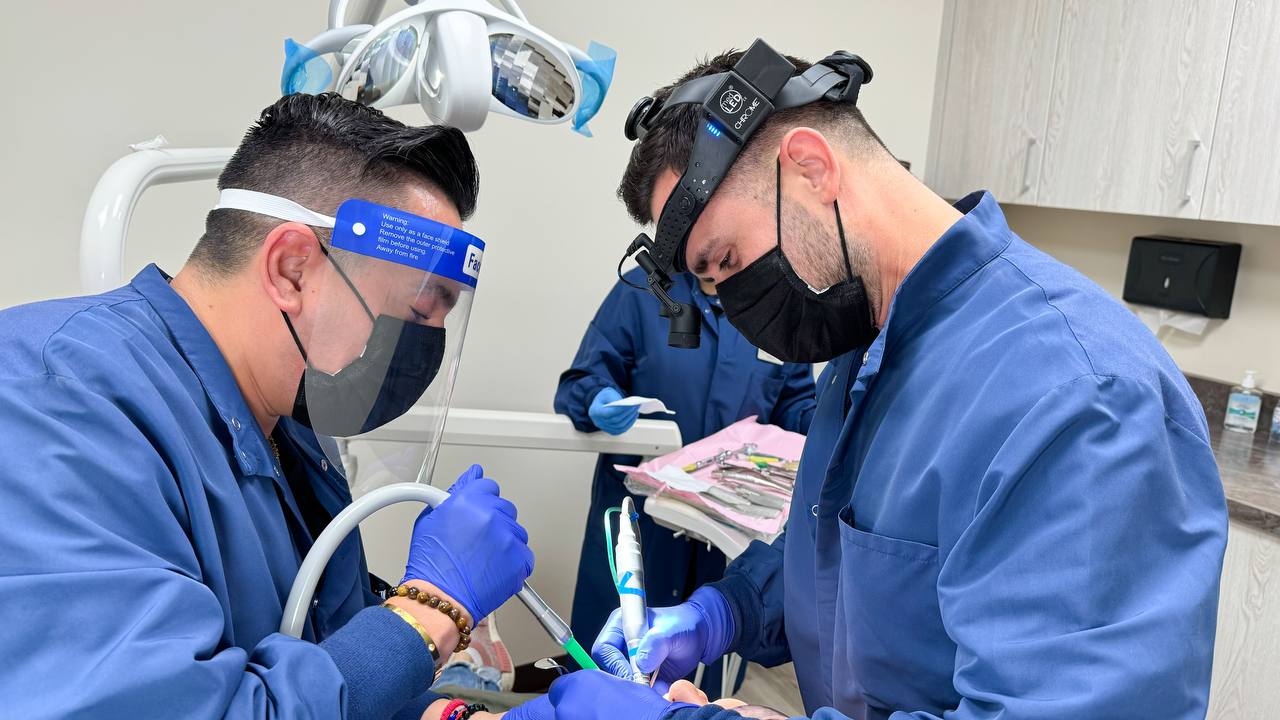
Most people assume tooth extraction is a simple and quick fix for dental pain. In many cases, that's true. But sometimes, a tooth can be so damaged, deeply decayed, or stuck in the gums that a regular extraction isn't enough. When that happens, oral surgery may be the better path forward. It's normal to feel uneasy about the idea of surgery, especially when it's unexpected. But knowing the reasons behind it and what's involved can ease some of that worry.
Oral surgery for a tooth extraction isn't something everyone will need. But if you've been told your case might need a little more than the usual tug and pull, you're not alone. Whether it's because of how the tooth is positioned or how much damage it has, a trained oral surgeon can help make the process safer and smoother. Let's look at why a simple extraction sometimes shifts into surgical territory.
When a Simple Tooth Extraction Isn't Enough
Not every tooth plays nice when it comes time for removal. There are a few specific situations where a routine extraction just won't cut it.
For example, if a tooth hasn't fully erupted or is stuck under the surface of the gums, also known as an impacted tooth, it will likely need surgical removal. This is common with wisdom teeth but can happen with other teeth as well. Other times, a tooth may have broken at or below the gumline. When there isn't enough of the tooth showing above the surface, it's hard for a dentist to grasp and pull it safely.
Here are some common reasons a simple extraction becomes surgery:
- Impacted teeth that are partially or fully trapped under the gums or bone
- Teeth with severe decay that have weakened or crumbled, leaving no structure to grab onto
- Teeth broken at the root or sitting at an odd angle beneath the gumline
- Extra roots or curved roots that make regular extraction risky or impossible
Let's say you had a molar that broke after years of grinding your teeth. It cracked below the gumline, and now there isn't enough left above the surface for a dental instrument to grip. Leaving it there can lead to infection, pressure pain, and even loss of bone. In a case like this, surgery is safer and more effective than trying to pull the remaining part blindly.
Ignoring these situations might create bigger problems later on. Infections, prolonged pain, or even the misalignment of neighboring teeth can happen if the damaged tooth isn't removed properly. Oral surgery helps ensure the process is done carefully and thoroughly so that healing starts on the right foot.
The Role of an Oral Surgeon
Oral surgeons are dentists who've gone through extra training, usually several years past dental school, to learn how to handle more complex procedures. They're trained to spot and manage tough situations that simple extractions just can't handle, from difficult angles to nerve placement, bone structure, and tricky tooth roots.
One of the key benefits of working with an oral surgeon is their ability to respond to the unexpected. During a tricky removal, they're equipped to make adjustments on the spot, whether the tooth is impacted, close to a nerve, or deeply anchored in bone. They also know how to manage things like anxiety, strong gag reflexes, and health conditions that could impact healing.
If you're looking for an oral surgeon in San Bernardino, focusing on local care can also make things easier. Complex extractions often involve follow-up checkups, and having a trusted provider nearby helps reduce stress and back-and-forth travel.
Aside from handling the surgery itself, oral surgeons also:
- Review medical history to prevent surgical complications
- Recommend the best type of anesthesia or sedation
- Monitor post-op healing and manage pain carefully
- Work closely with your general dentist to plan any future treatments
Seeing an oral surgeon can give peace of mind that everything is being done safely, especially if you're nervous about the procedure. They know how to handle complications and make the process feel less overwhelming for you.
The Surgical Extraction Process
If you've never had oral surgery before, it might sound intimidating. But knowing what to expect can take away a lot of the stress. Surgical tooth extractions are more detailed than a standard pull, but they're carefully planned to make things easier on both your mouth and your mind.
It usually starts with a consultation where your dental team takes updated X-rays and checks out the area. This helps them figure out what's going on beneath the surface. You'll also talk about any health conditions, medications, or past experiences that might affect the surgery.
Before anything begins, your mouth will be completely numbed. For more complex cases or those feeling extra anxious, sedation options like oral pills or IV sedation might be offered. Once you're comfortable, the dentist or oral surgeon makes a small opening in the gum to reach the tooth. If bone is blocking access, it may be gently removed. In some cases, the tooth is broken into smaller pieces first to make it easier to take out.
The whole process can take anywhere from 30 minutes to over an hour depending on how tricky the tooth is. Once removed, stitches may be placed to help the area heal. Gauze is used to stop initial bleeding, and you'll be given instructions on what to do later that day and in the following days.
Most people are surprised at how quickly the appointment goes by. The focus is always on comfort and safety. If you've had problems with anxiety at the dentist in the past, it's worth speaking up so your care can be adapted. A lot can be done to keep you calm before, during, and after the extraction.
Recovery Tips Post-Surgery
What happens after surgery is just as important as the procedure itself. Taking the right steps during recovery makes a big difference in how you heal and how quickly you start feeling like yourself again.
Here are some tips that can help:
1. Stick with soft foods, especially in the first few days. Think soup, mashed potatoes, yogurt, applesauce, and scrambled eggs. Avoid hot, spicy, crunchy, or chewy items.
2. Keep your head slightly elevated while resting. Propping your head with a pillow can help reduce swelling.
3. Don't use a straw or do anything that creates suction in your mouth for at least 24 hours. This can protect the area from dry socket and other healing issues.
4. Use cold compresses near the outside of your face to bring down swelling.
5. Avoid smoking, spitting, or heavy exercise for a few days. These activities can interfere with blood clot formation and slow healing.
6. Take any prescribed medication as instructed and reach out if the pain feels extreme or doesn't improve after a few days.
7. Brush your teeth gently and avoid the surgical site during the first couple of days. Rinsing your mouth with salt water starting on day two can help keep things clean.
Everyone's recovery is a bit different. For some, it's just a few days of feeling a little sore. For others, especially when bone was removed or stitches were placed, it could take a little longer. Following your dentist's instructions matters more than anything, even if you start feeling better faster than expected.
If you're not sure something's normal, like bleeding that lasts too long, odd tastes, or swelling that won't go away, it's always better to call and ask. Catching small problems early helps keep things on track without any surprises.
Healing well means taking your time. Give your body that space, and your mouth will thank you soon enough.
Your Next Steps to a Healthier Smile
Complex tooth extractions don't have to be scary, but they do need care and attention. When a simple pull won't get the job done, surgical extractions step in to make sure that damaged or trapped teeth are handled the right way without risking more issues down the line.
Whether it's how the root is shaped or the way the tooth sits under the gums, a lot goes into making the right call. Having someone experienced guide you through the decision and the process helps everything feel more manageable. There's a big difference between having a rough idea of what's going to happen and knowing exactly what to expect. That kind of clarity takes away a lot of stress.
Waiting too long or avoiding your dentist because you're unsure what the next step is only delays relief. If pulling a tooth seems more involved than usual, it's better to get the right help early. You protect more than just your mouth when you act fast—you look after your comfort and peace of mind too.
Delaying treatment can lead to bigger issues like infections, bite problems, or even shifting of surrounding teeth. Taking action with the right support gets the healing process started right and helps you move forward with confidence.
Expert care, especially from someone who's seen it all before, can make this process a lot easier than you think. You're not alone, and the right oral surgeon in San Bernardino can make all the difference.
If you're facing a complex tooth extraction and need expert care to ensure a smooth and safe procedure, consider working with an oral surgeon in San Bernardino at Vernon Dental Specialty. Our dedicated team is here to guide you through every step, providing personalized care tailored to your needs. Don't wait for complications to arise; take control of your dental health today and experience the peace of mind that comes with having a professional by your side.
Oral surgery for a tooth extraction isn't something everyone will need. But if you've been told your case might need a little more than the usual tug and pull, you're not alone. Whether it's because of how the tooth is positioned or how much damage it has, a trained oral surgeon can help make the process safer and smoother. Let's look at why a simple extraction sometimes shifts into surgical territory.
When a Simple Tooth Extraction Isn't Enough
Not every tooth plays nice when it comes time for removal. There are a few specific situations where a routine extraction just won't cut it.
For example, if a tooth hasn't fully erupted or is stuck under the surface of the gums, also known as an impacted tooth, it will likely need surgical removal. This is common with wisdom teeth but can happen with other teeth as well. Other times, a tooth may have broken at or below the gumline. When there isn't enough of the tooth showing above the surface, it's hard for a dentist to grasp and pull it safely.
Here are some common reasons a simple extraction becomes surgery:
- Impacted teeth that are partially or fully trapped under the gums or bone
- Teeth with severe decay that have weakened or crumbled, leaving no structure to grab onto
- Teeth broken at the root or sitting at an odd angle beneath the gumline
- Extra roots or curved roots that make regular extraction risky or impossible
Let's say you had a molar that broke after years of grinding your teeth. It cracked below the gumline, and now there isn't enough left above the surface for a dental instrument to grip. Leaving it there can lead to infection, pressure pain, and even loss of bone. In a case like this, surgery is safer and more effective than trying to pull the remaining part blindly.
Ignoring these situations might create bigger problems later on. Infections, prolonged pain, or even the misalignment of neighboring teeth can happen if the damaged tooth isn't removed properly. Oral surgery helps ensure the process is done carefully and thoroughly so that healing starts on the right foot.
The Role of an Oral Surgeon
Oral surgeons are dentists who've gone through extra training, usually several years past dental school, to learn how to handle more complex procedures. They're trained to spot and manage tough situations that simple extractions just can't handle, from difficult angles to nerve placement, bone structure, and tricky tooth roots.
One of the key benefits of working with an oral surgeon is their ability to respond to the unexpected. During a tricky removal, they're equipped to make adjustments on the spot, whether the tooth is impacted, close to a nerve, or deeply anchored in bone. They also know how to manage things like anxiety, strong gag reflexes, and health conditions that could impact healing.
If you're looking for an oral surgeon in San Bernardino, focusing on local care can also make things easier. Complex extractions often involve follow-up checkups, and having a trusted provider nearby helps reduce stress and back-and-forth travel.
Aside from handling the surgery itself, oral surgeons also:
- Review medical history to prevent surgical complications
- Recommend the best type of anesthesia or sedation
- Monitor post-op healing and manage pain carefully
- Work closely with your general dentist to plan any future treatments
Seeing an oral surgeon can give peace of mind that everything is being done safely, especially if you're nervous about the procedure. They know how to handle complications and make the process feel less overwhelming for you.
The Surgical Extraction Process
If you've never had oral surgery before, it might sound intimidating. But knowing what to expect can take away a lot of the stress. Surgical tooth extractions are more detailed than a standard pull, but they're carefully planned to make things easier on both your mouth and your mind.
It usually starts with a consultation where your dental team takes updated X-rays and checks out the area. This helps them figure out what's going on beneath the surface. You'll also talk about any health conditions, medications, or past experiences that might affect the surgery.
Before anything begins, your mouth will be completely numbed. For more complex cases or those feeling extra anxious, sedation options like oral pills or IV sedation might be offered. Once you're comfortable, the dentist or oral surgeon makes a small opening in the gum to reach the tooth. If bone is blocking access, it may be gently removed. In some cases, the tooth is broken into smaller pieces first to make it easier to take out.
The whole process can take anywhere from 30 minutes to over an hour depending on how tricky the tooth is. Once removed, stitches may be placed to help the area heal. Gauze is used to stop initial bleeding, and you'll be given instructions on what to do later that day and in the following days.
Most people are surprised at how quickly the appointment goes by. The focus is always on comfort and safety. If you've had problems with anxiety at the dentist in the past, it's worth speaking up so your care can be adapted. A lot can be done to keep you calm before, during, and after the extraction.
Recovery Tips Post-Surgery
What happens after surgery is just as important as the procedure itself. Taking the right steps during recovery makes a big difference in how you heal and how quickly you start feeling like yourself again.
Here are some tips that can help:
1. Stick with soft foods, especially in the first few days. Think soup, mashed potatoes, yogurt, applesauce, and scrambled eggs. Avoid hot, spicy, crunchy, or chewy items.
2. Keep your head slightly elevated while resting. Propping your head with a pillow can help reduce swelling.
3. Don't use a straw or do anything that creates suction in your mouth for at least 24 hours. This can protect the area from dry socket and other healing issues.
4. Use cold compresses near the outside of your face to bring down swelling.
5. Avoid smoking, spitting, or heavy exercise for a few days. These activities can interfere with blood clot formation and slow healing.
6. Take any prescribed medication as instructed and reach out if the pain feels extreme or doesn't improve after a few days.
7. Brush your teeth gently and avoid the surgical site during the first couple of days. Rinsing your mouth with salt water starting on day two can help keep things clean.
Everyone's recovery is a bit different. For some, it's just a few days of feeling a little sore. For others, especially when bone was removed or stitches were placed, it could take a little longer. Following your dentist's instructions matters more than anything, even if you start feeling better faster than expected.
If you're not sure something's normal, like bleeding that lasts too long, odd tastes, or swelling that won't go away, it's always better to call and ask. Catching small problems early helps keep things on track without any surprises.
Healing well means taking your time. Give your body that space, and your mouth will thank you soon enough.
Your Next Steps to a Healthier Smile
Complex tooth extractions don't have to be scary, but they do need care and attention. When a simple pull won't get the job done, surgical extractions step in to make sure that damaged or trapped teeth are handled the right way without risking more issues down the line.
Whether it's how the root is shaped or the way the tooth sits under the gums, a lot goes into making the right call. Having someone experienced guide you through the decision and the process helps everything feel more manageable. There's a big difference between having a rough idea of what's going to happen and knowing exactly what to expect. That kind of clarity takes away a lot of stress.
Waiting too long or avoiding your dentist because you're unsure what the next step is only delays relief. If pulling a tooth seems more involved than usual, it's better to get the right help early. You protect more than just your mouth when you act fast—you look after your comfort and peace of mind too.
Delaying treatment can lead to bigger issues like infections, bite problems, or even shifting of surrounding teeth. Taking action with the right support gets the healing process started right and helps you move forward with confidence.
Expert care, especially from someone who's seen it all before, can make this process a lot easier than you think. You're not alone, and the right oral surgeon in San Bernardino can make all the difference.
If you're facing a complex tooth extraction and need expert care to ensure a smooth and safe procedure, consider working with an oral surgeon in San Bernardino at Vernon Dental Specialty. Our dedicated team is here to guide you through every step, providing personalized care tailored to your needs. Don't wait for complications to arise; take control of your dental health today and experience the peace of mind that comes with having a professional by your side.