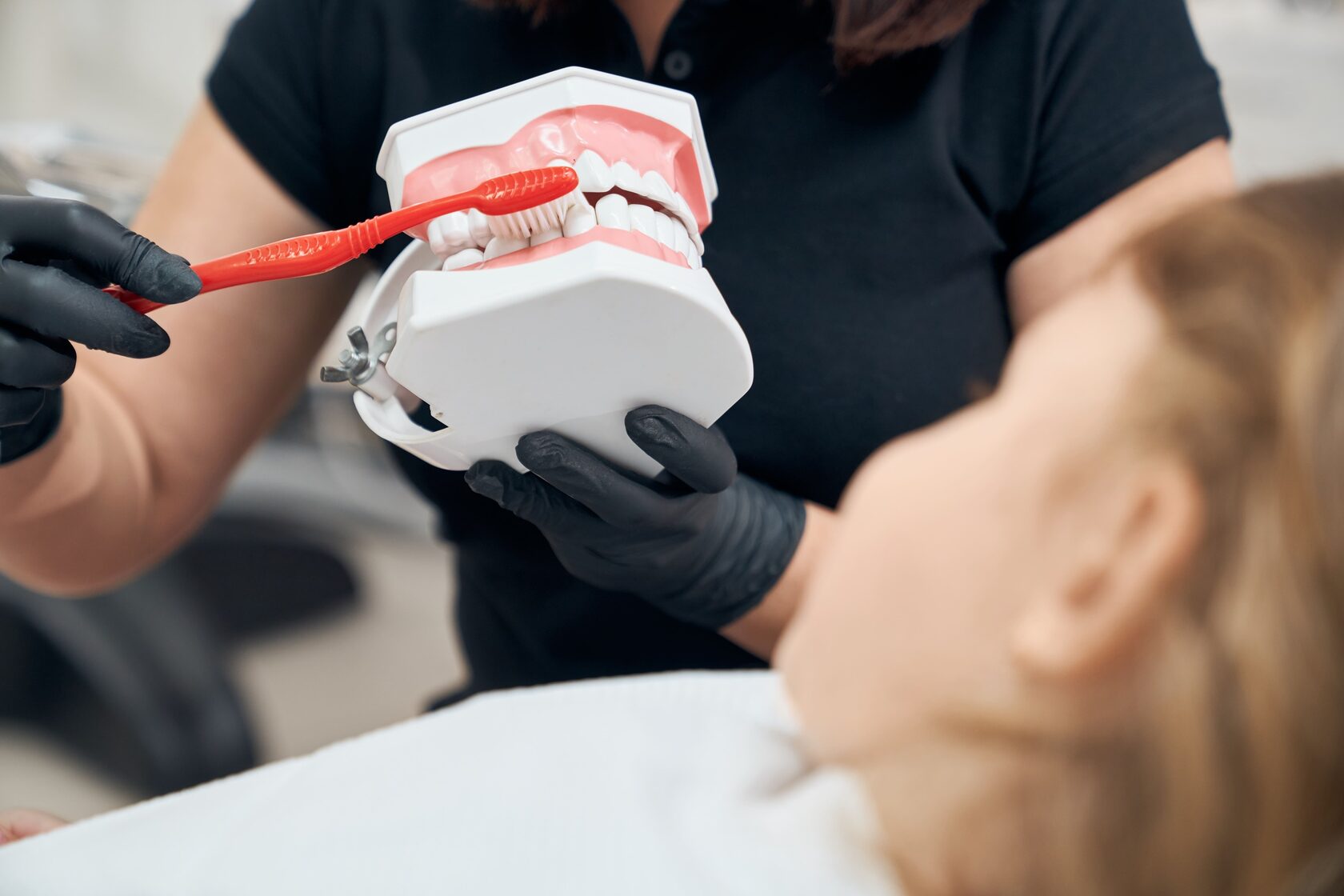
Baby teeth do more than just help your child chew and smile. They also hold space for adult teeth and guide them into position. Healthy baby teeth support proper speech, eating habits, and jaw development. That’s why it’s important to pay attention to any changes, no matter how small they might seem.
While many parents expect teething and the usual ups and downs, there are times when a deeper dental issue may be at play. Catching early signs of a problem can make a big difference for your child’s long-term oral health. Knowing what to look for can help you decide when it’s time to reach out to a dental professional for an evaluation.
Delayed Tooth Eruption
Most kids get their first baby teeth between 6 to 12 months of age. By age 3, they typically have a full set of 20 primary teeth. But what happens if that timeline doesn’t follow the usual path?
Delayed tooth eruption means teeth aren’t coming in when expected. In some cases, it’s just a sign that your child’s internal clock is running a little slower. But in other cases, it could point to an issue beneath the surface. Genetics, gum thickness, spacing problems, or even developmental concerns can all play a part.
Here are a few signs that delayed tooth eruption might need a closer look:
- Your child hasn’t sprouted a first tooth by 12 to 14 months
- Teeth are coming in far apart in time or unevenly along the gums
- Lower teeth appear before upper ones on an ongoing basis
- You notice swelling in the gums but no tooth appears over time
If you’ve noticed any of these, a visit to a pediatric dentist in San Bernardino can help find out what’s causing the delay. A proper evaluation may include checking for impacted teeth, spacing issues, or underlying conditions that interfere with normal development. Even though the baby teeth fall out later, their arrival plays a big role in how your child eats, talks, and smiles during those early years.
Persistent Pain Or Discomfort
Some tooth discomfort is normal, especially when teeth are erupting. It’s usually short-lived and may come with drooling, mild fussiness, or your child constantly rubbing their gums. But pain that sticks around or gets worse over time is not something to brush off.
Unlike adults, kids may not always be able to say what hurts. They may instead pull away from food, cry more than usual, or avoid brushing. That’s why it’s useful to look for behavior changes that might signal a deeper issue.
You might want to pay attention if:
- Your child complains about the same tooth more than once
- Sharp pain occurs when eating or drinking something hot or cold
- They refuse to chew on one side of the mouth
- You see redness or swelling around certain teeth
These signs might point to things like early cavities, gum irritation, or a cracked tooth. Even a small issue can grow into a bigger one if it isn’t checked in time. Unlike teething pain, which comes and goes with new teeth, the sort of pain that lingers often needs treatment.
If you're unsure whether the discomfort is normal, it's always better to get an expert opinion. Having a pediatric dentist take a closer look ensures your child isn’t dealing with something that needs more than just time and teething toys.
Visible Cavities Or Decay
Just because baby teeth fall out eventually doesn’t mean they’re safe from problems. Cavities can still form in baby teeth, and if they’re left untreated, they can cause pain, infection, and damage developing adult teeth underneath.
One of the first signs is usually a small white spot or discoloration on the tooth’s surface. As it grows, that spot can turn brown or black. Parents might notice holes, chips forming in the enamel, or food constantly getting stuck in the same spot. These are all signs the tooth might be breaking down.
Even though your child might not complain at first, decay doesn’t always hurt right away. It can sneak up slowly. That’s why daily brushing and regular checks at home are helpful. Look for:
- Unusual coloring on the teeth (white, brown, or black spots)
- Claims of pain or sensitivity during meals
- Foul breath that sticks around even after brushing
- Avoidance of chewing food on one side of the mouth
If you spot anything unusual, don’t wait to see if it gets better. Cavities in baby teeth spread quickly. A small issue today can become a bigger one in just a few weeks. Seeing a pediatric dentist in San Bernardino gives your child the best shot at removing the decay safely and stopping it from spreading to nearby teeth. Catching these things early gives kids a better chance at keeping their full smile healthy and pain-free.
Crooked Or Misaligned Baby Teeth
Most kids don’t have perfectly straight teeth as babies. Some crowding or spacing is normal as their mouths grow and make room for adult teeth. But when baby teeth grow in significantly out of place, that can cause problems that last well beyond childhood.
Alignment issues in baby teeth might point to habits like thumb-sucking or using a pacifier too long. In other cases, it’s due to how the teeth naturally grew in. If teeth overlap badly, or if there are large gaps or an unusual bite, it's worth getting those checked out early.
Here are signs your child might benefit from an orthodontic check:
- Teeth appear tilted, crooked, or growing in at sharp angles
- There are large spaces between teeth with no new growth filling in
- Jaw looks uneven or shifts while chewing
- Teeth meet in an unusual way when biting down
Early orthodontic reviews help figure out if treatment is needed now or later. Sometimes there's no need to step in right away, but keeping an eye on things is still smart. In a lot of cases, the sooner these problems are caught, the easier they are to guide and correct. Getting input from a pediatric dentist in San Bernardino early can reduce the chances of needing longer or more invasive treatment later.
Gums And Oral Health Concerns
Teeth aren’t the only things that can signal a dental issue. Your child’s gums play a big part in keeping their mouth healthy, so it’s important to watch for signs of irritation, swelling, or bleeding.
Red, puffy gums often mean inflammation. It could be from brushing too hard, or it might be from food particles stuck below the gumline. But when that puffiness sticks around or comes with things like bad breath, pain, or bleeding while brushing, it might be gingivitis or early signs of gum disease.
Kids aren't immune to gum problems just because their teeth are temporary. Baby teeth need firm, healthy gums to stay in place and function properly while adult teeth develop underneath them.
Look out for these gum-related signs:
- Gums that bleed often during brushing or flossing
- Persistent bad breath even after brushing
- Swollen areas near specific teeth
- Gums pulling away from the teeth
Changes like these shouldn't be ignored. Sometimes they point to simple plaque buildup, but other times there could be a deeper issue affecting gum or nerve health. Visiting a pediatric dentist in San Bernardino helps rule out infections, nerve concerns, or other hidden problems. When gums stay healthy, they create a solid space for adult teeth to come in smoothly and naturally.
Keeping Your Child's Smile Healthy
Watching your child grow means spotting all kinds of changes, teeth included. From the first tiny tooth that breaks through to the day they lose their last baby tooth, every stage matters. Regular check-ins at home and staying alert to new symptoms can make all the difference when something seems off.
Baby teeth guide more than just smiles. When they’re healthy, they help shape clear speech, support chewing, and pave the way for strong adult teeth. But when problems come up and go unnoticed, small things like minor discomfort or a slow-growing tooth can turn into bigger issues that affect your child’s eating, speaking, and confidence.
Being proactive about your child’s dental health sets the foundation for better habits and outcomes later on. If you notice anything unusual—from alignment changes to gum irritation—a visit to a pediatric dentist in San Bernardino can give you peace of mind and keep those little teeth on track. Taking action early helps make sure their smile stays strong, now and years down the line.
For parents looking to make dental care easier and more comfortable for their kids, working with a pediatric dentist in San Bernardino can make a big difference. At Vernon Dental Specialty, we understand how to create a gentle, patient-first experience that helps even the most nervous child feel at ease from the start.
While many parents expect teething and the usual ups and downs, there are times when a deeper dental issue may be at play. Catching early signs of a problem can make a big difference for your child’s long-term oral health. Knowing what to look for can help you decide when it’s time to reach out to a dental professional for an evaluation.
Delayed Tooth Eruption
Most kids get their first baby teeth between 6 to 12 months of age. By age 3, they typically have a full set of 20 primary teeth. But what happens if that timeline doesn’t follow the usual path?
Delayed tooth eruption means teeth aren’t coming in when expected. In some cases, it’s just a sign that your child’s internal clock is running a little slower. But in other cases, it could point to an issue beneath the surface. Genetics, gum thickness, spacing problems, or even developmental concerns can all play a part.
Here are a few signs that delayed tooth eruption might need a closer look:
- Your child hasn’t sprouted a first tooth by 12 to 14 months
- Teeth are coming in far apart in time or unevenly along the gums
- Lower teeth appear before upper ones on an ongoing basis
- You notice swelling in the gums but no tooth appears over time
If you’ve noticed any of these, a visit to a pediatric dentist in San Bernardino can help find out what’s causing the delay. A proper evaluation may include checking for impacted teeth, spacing issues, or underlying conditions that interfere with normal development. Even though the baby teeth fall out later, their arrival plays a big role in how your child eats, talks, and smiles during those early years.
Persistent Pain Or Discomfort
Some tooth discomfort is normal, especially when teeth are erupting. It’s usually short-lived and may come with drooling, mild fussiness, or your child constantly rubbing their gums. But pain that sticks around or gets worse over time is not something to brush off.
Unlike adults, kids may not always be able to say what hurts. They may instead pull away from food, cry more than usual, or avoid brushing. That’s why it’s useful to look for behavior changes that might signal a deeper issue.
You might want to pay attention if:
- Your child complains about the same tooth more than once
- Sharp pain occurs when eating or drinking something hot or cold
- They refuse to chew on one side of the mouth
- You see redness or swelling around certain teeth
These signs might point to things like early cavities, gum irritation, or a cracked tooth. Even a small issue can grow into a bigger one if it isn’t checked in time. Unlike teething pain, which comes and goes with new teeth, the sort of pain that lingers often needs treatment.
If you're unsure whether the discomfort is normal, it's always better to get an expert opinion. Having a pediatric dentist take a closer look ensures your child isn’t dealing with something that needs more than just time and teething toys.
Visible Cavities Or Decay
Just because baby teeth fall out eventually doesn’t mean they’re safe from problems. Cavities can still form in baby teeth, and if they’re left untreated, they can cause pain, infection, and damage developing adult teeth underneath.
One of the first signs is usually a small white spot or discoloration on the tooth’s surface. As it grows, that spot can turn brown or black. Parents might notice holes, chips forming in the enamel, or food constantly getting stuck in the same spot. These are all signs the tooth might be breaking down.
Even though your child might not complain at first, decay doesn’t always hurt right away. It can sneak up slowly. That’s why daily brushing and regular checks at home are helpful. Look for:
- Unusual coloring on the teeth (white, brown, or black spots)
- Claims of pain or sensitivity during meals
- Foul breath that sticks around even after brushing
- Avoidance of chewing food on one side of the mouth
If you spot anything unusual, don’t wait to see if it gets better. Cavities in baby teeth spread quickly. A small issue today can become a bigger one in just a few weeks. Seeing a pediatric dentist in San Bernardino gives your child the best shot at removing the decay safely and stopping it from spreading to nearby teeth. Catching these things early gives kids a better chance at keeping their full smile healthy and pain-free.
Crooked Or Misaligned Baby Teeth
Most kids don’t have perfectly straight teeth as babies. Some crowding or spacing is normal as their mouths grow and make room for adult teeth. But when baby teeth grow in significantly out of place, that can cause problems that last well beyond childhood.
Alignment issues in baby teeth might point to habits like thumb-sucking or using a pacifier too long. In other cases, it’s due to how the teeth naturally grew in. If teeth overlap badly, or if there are large gaps or an unusual bite, it's worth getting those checked out early.
Here are signs your child might benefit from an orthodontic check:
- Teeth appear tilted, crooked, or growing in at sharp angles
- There are large spaces between teeth with no new growth filling in
- Jaw looks uneven or shifts while chewing
- Teeth meet in an unusual way when biting down
Early orthodontic reviews help figure out if treatment is needed now or later. Sometimes there's no need to step in right away, but keeping an eye on things is still smart. In a lot of cases, the sooner these problems are caught, the easier they are to guide and correct. Getting input from a pediatric dentist in San Bernardino early can reduce the chances of needing longer or more invasive treatment later.
Gums And Oral Health Concerns
Teeth aren’t the only things that can signal a dental issue. Your child’s gums play a big part in keeping their mouth healthy, so it’s important to watch for signs of irritation, swelling, or bleeding.
Red, puffy gums often mean inflammation. It could be from brushing too hard, or it might be from food particles stuck below the gumline. But when that puffiness sticks around or comes with things like bad breath, pain, or bleeding while brushing, it might be gingivitis or early signs of gum disease.
Kids aren't immune to gum problems just because their teeth are temporary. Baby teeth need firm, healthy gums to stay in place and function properly while adult teeth develop underneath them.
Look out for these gum-related signs:
- Gums that bleed often during brushing or flossing
- Persistent bad breath even after brushing
- Swollen areas near specific teeth
- Gums pulling away from the teeth
Changes like these shouldn't be ignored. Sometimes they point to simple plaque buildup, but other times there could be a deeper issue affecting gum or nerve health. Visiting a pediatric dentist in San Bernardino helps rule out infections, nerve concerns, or other hidden problems. When gums stay healthy, they create a solid space for adult teeth to come in smoothly and naturally.
Keeping Your Child's Smile Healthy
Watching your child grow means spotting all kinds of changes, teeth included. From the first tiny tooth that breaks through to the day they lose their last baby tooth, every stage matters. Regular check-ins at home and staying alert to new symptoms can make all the difference when something seems off.
Baby teeth guide more than just smiles. When they’re healthy, they help shape clear speech, support chewing, and pave the way for strong adult teeth. But when problems come up and go unnoticed, small things like minor discomfort or a slow-growing tooth can turn into bigger issues that affect your child’s eating, speaking, and confidence.
Being proactive about your child’s dental health sets the foundation for better habits and outcomes later on. If you notice anything unusual—from alignment changes to gum irritation—a visit to a pediatric dentist in San Bernardino can give you peace of mind and keep those little teeth on track. Taking action early helps make sure their smile stays strong, now and years down the line.
For parents looking to make dental care easier and more comfortable for their kids, working with a pediatric dentist in San Bernardino can make a big difference. At Vernon Dental Specialty, we understand how to create a gentle, patient-first experience that helps even the most nervous child feel at ease from the start.