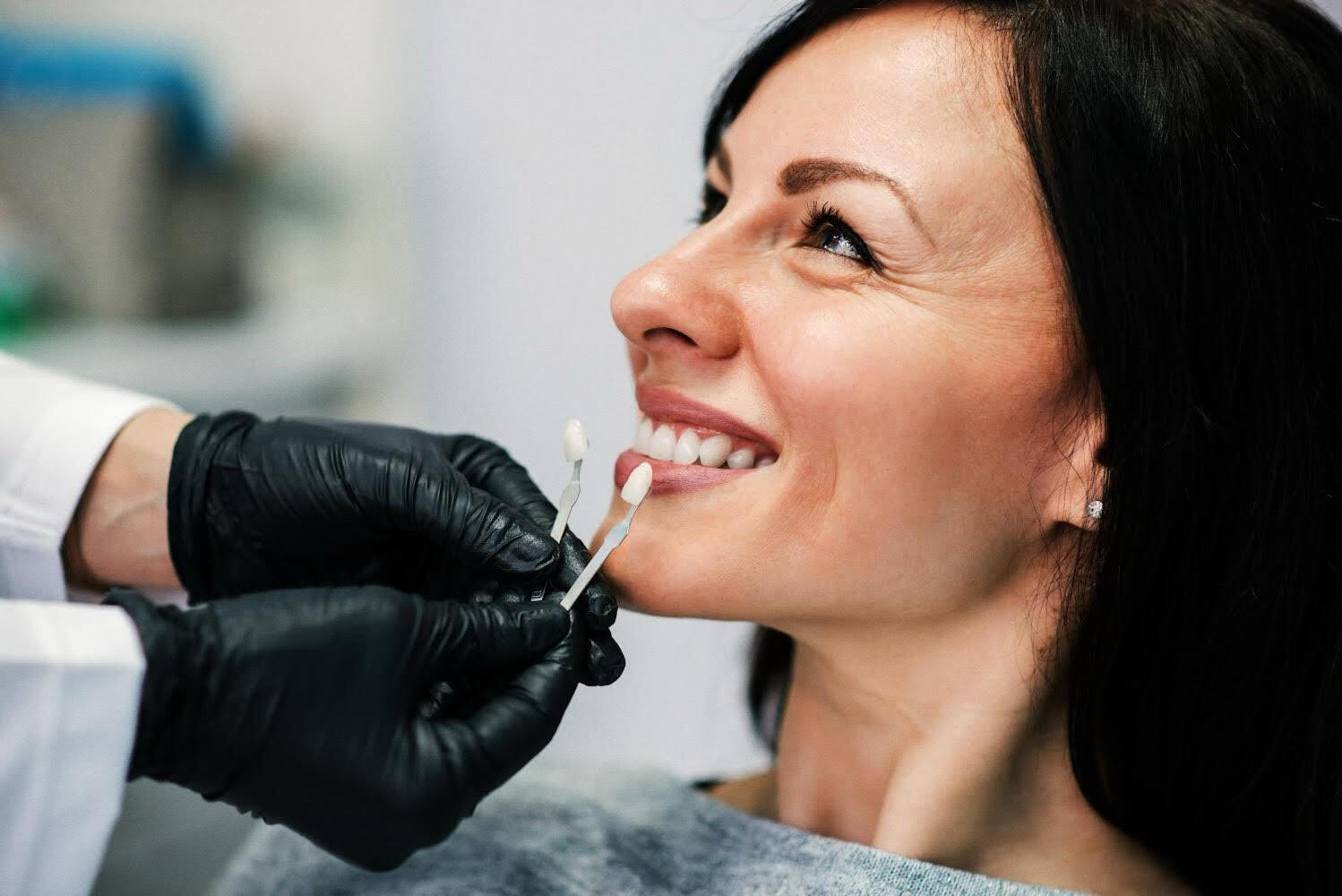
Getting a dental implant can feel like a big step. You’ve probably already gone through the planning, made space in your schedule for surgery, and asked a bunch of questions about the healing process. Once that part is done, you might wonder, what now? The truth is, knowing what to expect after surgery makes living with implants feel less overwhelming. It also helps you take better care of them from the start.
Dental implants are placed in your jaw to act like artificial roots for replacement teeth. Whether you’re replacing just one tooth or several, they’re meant to look and feel natural. Still, the recovery and adjustment period takes some getting used to. If you're planning for dental implants in San Bernardino or already recovering, having a clear idea of what comes next helps ease the process and sets you up for better results.
Immediate Aftercare Post-Surgery
The first few days are all about healing. It’s common to feel some discomfort, especially once the numbing wears off. You might notice swelling around the implant site, some soreness, and maybe even bruising in the area. All of that is part of your body’s natural reaction, and it usually settles down within a week or two.
Here’s how to handle those early days:
- Use a cold pack on your cheek to help with swelling. Do this in short sessions throughout the day.
- Keep your head slightly elevated when resting or sleeping to reduce pressure and discomfort.
- Stick to soft foods, especially during the first 48 hours. Think yogurt, scrambled eggs, mashed potatoes, and broth-based soups.
- Avoid hot or spicy foods while healing.
- Do not use straws, smoke, or drink alcohol during this recovery window, as they can delay healing.
One of the most important parts of early aftercare is following your dentist’s post-op instructions. This includes how and when to rinse your mouth, when to return for checkups, and information about any prescriptions. Even if the pain starts to fade quickly, keeping up with these steps will support healing and help avoid complications.
If the swelling becomes worse instead of better, or if you experience sharp pain that doesn't ease up, it’s time to contact the dental office. It's always safer to ask if something doesn’t feel quite right. Keeping a log of your symptoms and how they improve each day can help track your recovery.
Adapting To Dental Implants
Once the first week passes, things usually start to feel a bit more normal, but your mouth is still adjusting. Some people feel a bit of pressure in the area or describe a sensation that's somewhere between numbness and awareness. It’s strange but doesn’t usually feel painful. As your gums continue healing and the area strengthens, these sensations fade.
Here’s what to focus on as you ease into your new routine:
- Be gentle with brushing, especially near the implant site. Go slow, and use a soft toothbrush.
- Keep flossing your other teeth, avoiding direct contact with the tender spot unless your dentist says it’s okay.
- Use any prescribed rinses or a mild saltwater rinse if recommended.
- Avoid chewing directly on the implant area until you’re cleared to do so.
Try to skip anything that could put pressure on your implant too early. Chewing on ice, biting nails, or using your teeth to open packaging should be off-limits anyway, but especially now. Giving the implant enough time to fully bond with the jawbone makes a difference in how well it holds up in the long run.
One helpful tip: when eating meals, start on the opposite side of your mouth during recovery. This gives the implant site time to rest even while you eat normally. Small things like switching up which side you chew on or being cautious with your brushing keep the area protected while it continues to heal. You’ll likely be back to full function before long, but it pays to be careful during these early weeks.
Long-Term Care And Maintenance
Once your dental implant has fully healed and the crown is placed, you might feel like you're back to normal. But even though implants are made to last, they still need regular care just like your natural teeth. The better you take care of them, the longer they’ll stay looking and feeling good.
Good oral hygiene is key. You don’t need any fancy tools or expensive products, but staying consistent matters. Make brushing twice a day a routine, and don’t skip flossing. If it helps, you can use a floss threader or water flosser to get around the implant. Keeping your gums healthy is core to keeping your implant strong.
Keep up with dental checkups. During exams, your dentist will check the implant for any signs of wear or infection. Early signs that may need attention include:
- Bleeding while brushing near the implant
- Red or swollen gums in that area
- New sensitivity
- Loosening or shifting of the implant or surrounding teeth
Even if nothing seems wrong, regular cleanings help remove plaque and spot issues before they turn serious. Set a reminder to visit your dentist every six months, or sooner if they recommend it.
If you tend to grind your teeth, ask your dentist about getting a custom night guard. Grinding can slowly damage the implant over time even if you don’t notice it right away. The same goes for clenching while stressed or during sleep. Small protective steps can make a big difference in the long run.
Benefits Of Dental Implants Over Time
The real perks of implants show themselves over time. Once healing is done, your implant will likely blend in with your natural teeth so well that you won’t even think about it. Chewing becomes easier because the implant doesn’t shift the way dentures sometimes can, and there’s no need to take anything out and clean it separately at night.
Many people say they feel more confident showing their teeth again. Whether it’s smiling in photos or holding everyday conversations, it’s nice to feel like you have your full smile back. And since the implant is anchored into the jawbone, it also supports the shape of your face, which can prevent a sunken look that sometimes comes with missing teeth.
One thing some patients notice is how much better they can enjoy certain foods again. A patient in San Bernardino who hadn’t bitten into an apple for years was able to enjoy one without any hesitation just a few months after getting their implant. Those little milestones often remind people how worth it the process was.
Dental implants also help protect your other teeth. When a gap is left open too long, nearby teeth can start to shift out of place. An implant helps keep everything in alignment and maintains spacing, which is easier on the rest of your mouth.
Enjoying Your New Smile in San Bernardino
By the time recovery is complete and your dental implant feels like part of your natural smile, it becomes easier to forget it’s even there. That’s the goal. With normal brushing, regular visits to the dentist, and being mindful of a few habits, most people go on living just like they did before the tooth was lost.
Getting dental implants in San Bernardino means you’re choosing a treatment that can last for years to come. Whether it’s for one tooth or several, the process may take time, but the long-term rewards make it all worthwhile. It’s a helpful solution that brings back function and comfort without a lot of extra upkeep.
If you've recently gone through implant surgery or you're preparing for it, keep in mind that healing is just the beginning. How you care for your mouth in the weeks and months ahead will shape the success of your implant for the future. A little patience, steady habits, and regular check-ins will make a big difference.
Choosing dental implants in San Bernardino is a step toward a functional and confident smile. At Vernon Dental Specialty, our team is here to support your journey from the initial consultation through each stage of care. Learn more about how we make the process smooth and personalized by exploring our services for dental implants in San Bernardino.
Dental implants are placed in your jaw to act like artificial roots for replacement teeth. Whether you’re replacing just one tooth or several, they’re meant to look and feel natural. Still, the recovery and adjustment period takes some getting used to. If you're planning for dental implants in San Bernardino or already recovering, having a clear idea of what comes next helps ease the process and sets you up for better results.
Immediate Aftercare Post-Surgery
The first few days are all about healing. It’s common to feel some discomfort, especially once the numbing wears off. You might notice swelling around the implant site, some soreness, and maybe even bruising in the area. All of that is part of your body’s natural reaction, and it usually settles down within a week or two.
Here’s how to handle those early days:
- Use a cold pack on your cheek to help with swelling. Do this in short sessions throughout the day.
- Keep your head slightly elevated when resting or sleeping to reduce pressure and discomfort.
- Stick to soft foods, especially during the first 48 hours. Think yogurt, scrambled eggs, mashed potatoes, and broth-based soups.
- Avoid hot or spicy foods while healing.
- Do not use straws, smoke, or drink alcohol during this recovery window, as they can delay healing.
One of the most important parts of early aftercare is following your dentist’s post-op instructions. This includes how and when to rinse your mouth, when to return for checkups, and information about any prescriptions. Even if the pain starts to fade quickly, keeping up with these steps will support healing and help avoid complications.
If the swelling becomes worse instead of better, or if you experience sharp pain that doesn't ease up, it’s time to contact the dental office. It's always safer to ask if something doesn’t feel quite right. Keeping a log of your symptoms and how they improve each day can help track your recovery.
Adapting To Dental Implants
Once the first week passes, things usually start to feel a bit more normal, but your mouth is still adjusting. Some people feel a bit of pressure in the area or describe a sensation that's somewhere between numbness and awareness. It’s strange but doesn’t usually feel painful. As your gums continue healing and the area strengthens, these sensations fade.
Here’s what to focus on as you ease into your new routine:
- Be gentle with brushing, especially near the implant site. Go slow, and use a soft toothbrush.
- Keep flossing your other teeth, avoiding direct contact with the tender spot unless your dentist says it’s okay.
- Use any prescribed rinses or a mild saltwater rinse if recommended.
- Avoid chewing directly on the implant area until you’re cleared to do so.
Try to skip anything that could put pressure on your implant too early. Chewing on ice, biting nails, or using your teeth to open packaging should be off-limits anyway, but especially now. Giving the implant enough time to fully bond with the jawbone makes a difference in how well it holds up in the long run.
One helpful tip: when eating meals, start on the opposite side of your mouth during recovery. This gives the implant site time to rest even while you eat normally. Small things like switching up which side you chew on or being cautious with your brushing keep the area protected while it continues to heal. You’ll likely be back to full function before long, but it pays to be careful during these early weeks.
Long-Term Care And Maintenance
Once your dental implant has fully healed and the crown is placed, you might feel like you're back to normal. But even though implants are made to last, they still need regular care just like your natural teeth. The better you take care of them, the longer they’ll stay looking and feeling good.
Good oral hygiene is key. You don’t need any fancy tools or expensive products, but staying consistent matters. Make brushing twice a day a routine, and don’t skip flossing. If it helps, you can use a floss threader or water flosser to get around the implant. Keeping your gums healthy is core to keeping your implant strong.
Keep up with dental checkups. During exams, your dentist will check the implant for any signs of wear or infection. Early signs that may need attention include:
- Bleeding while brushing near the implant
- Red or swollen gums in that area
- New sensitivity
- Loosening or shifting of the implant or surrounding teeth
Even if nothing seems wrong, regular cleanings help remove plaque and spot issues before they turn serious. Set a reminder to visit your dentist every six months, or sooner if they recommend it.
If you tend to grind your teeth, ask your dentist about getting a custom night guard. Grinding can slowly damage the implant over time even if you don’t notice it right away. The same goes for clenching while stressed or during sleep. Small protective steps can make a big difference in the long run.
Benefits Of Dental Implants Over Time
The real perks of implants show themselves over time. Once healing is done, your implant will likely blend in with your natural teeth so well that you won’t even think about it. Chewing becomes easier because the implant doesn’t shift the way dentures sometimes can, and there’s no need to take anything out and clean it separately at night.
Many people say they feel more confident showing their teeth again. Whether it’s smiling in photos or holding everyday conversations, it’s nice to feel like you have your full smile back. And since the implant is anchored into the jawbone, it also supports the shape of your face, which can prevent a sunken look that sometimes comes with missing teeth.
One thing some patients notice is how much better they can enjoy certain foods again. A patient in San Bernardino who hadn’t bitten into an apple for years was able to enjoy one without any hesitation just a few months after getting their implant. Those little milestones often remind people how worth it the process was.
Dental implants also help protect your other teeth. When a gap is left open too long, nearby teeth can start to shift out of place. An implant helps keep everything in alignment and maintains spacing, which is easier on the rest of your mouth.
Enjoying Your New Smile in San Bernardino
By the time recovery is complete and your dental implant feels like part of your natural smile, it becomes easier to forget it’s even there. That’s the goal. With normal brushing, regular visits to the dentist, and being mindful of a few habits, most people go on living just like they did before the tooth was lost.
Getting dental implants in San Bernardino means you’re choosing a treatment that can last for years to come. Whether it’s for one tooth or several, the process may take time, but the long-term rewards make it all worthwhile. It’s a helpful solution that brings back function and comfort without a lot of extra upkeep.
If you've recently gone through implant surgery or you're preparing for it, keep in mind that healing is just the beginning. How you care for your mouth in the weeks and months ahead will shape the success of your implant for the future. A little patience, steady habits, and regular check-ins will make a big difference.
Choosing dental implants in San Bernardino is a step toward a functional and confident smile. At Vernon Dental Specialty, our team is here to support your journey from the initial consultation through each stage of care. Learn more about how we make the process smooth and personalized by exploring our services for dental implants in San Bernardino.