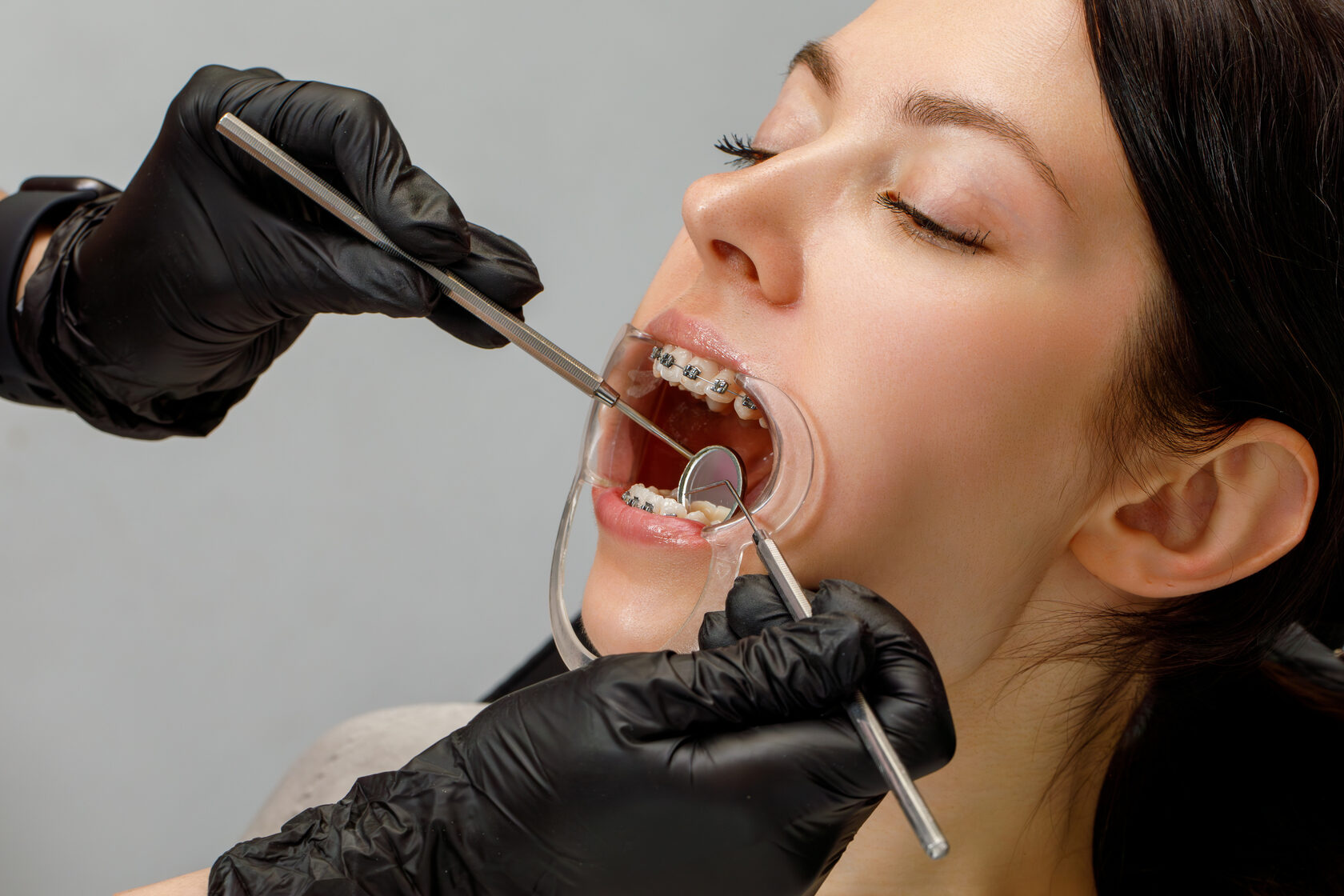
Taking your child to their first orthodontic visit can feel like a big step. As parents, you want to make sure your child’s smile stays healthy as they grow. Orthodontic care plays an important part in that. Early visits can catch small issues before they turn into more serious problems, giving your child the best start toward a confident and comfortable smile.
During this first orthodontic appointment, your child will meet their orthodontist and begin forming a relationship with the team that may oversee their care. Knowing what to expect can help both you and your child feel more relaxed. In this article, we’ll go over the reasons your child might need an orthodontic visit, what actually happens during the visit, the potential treatment options, and how you can prepare them ahead of time.
Signs Your Child Might Need an Orthodontic Visit
One of the big questions parents often ask is: how do I know if my child even needs to see an orthodontist?
Here are some signs that suggest an evaluation might be a good idea:
- Trouble biting or chewing their food
- Teeth that are crowded or growing in crooked
- Thumb sucking that continues past age five
- Breathing mostly through the mouth
- Early or late loss of baby teeth
- Jaws that shift, make noise, or seem off-center
These signs don’t always mean your child needs braces right away. Sometimes, they’re just early markers for things to keep an eye on as your child continues to grow.
One general recommendation is to have your child see an orthodontist by age seven. By this age, they typically have a mix of baby and adult teeth, giving the orthodontist enough information to spot any developing concerns. Even if nothing seems out of the ordinary, an early evaluation provides peace of mind and lays the groundwork in case future care is needed.
What to Expect During the First Visit
For the first visit, think of it more as an evaluation than a treatment day. The orthodontic team wants to understand where your child’s dental development is right now so they can give you helpful guidance.
Here’s how it typically goes:
After arriving at the office, you’ll check in and fill out some paperwork about your child’s health and dental history. These details help the orthodontist get a complete picture.
Once you’re settled in, the orthodontist or a team member will greet your child, do a quick visual exam, and ask some questions about things like chewing, thumb sucking, or jaw discomfort. This initial walk-through isn’t invasive and is usually fairly quick.
Depending on what the orthodontist sees, they might recommend additional steps that day. These are helpful for getting a clearer understanding of your child’s unique situation.
The Orthodontic Examination
The next part of the visit is a more detailed evaluation. This is when the orthodontist looks at how the teeth fit together, how the jaw aligns, and whether the current setup leaves enough room for incoming permanent teeth.
A full exam may include:
- Taking X-rays to see how the permanent teeth are forming underneath the gums
- Looking at the way the top and bottom teeth come together when your child bites
- Making molds or using digital scans of your child’s teeth to create a model of their bite
This model gives a more accurate view of your child’s dental structure so that future recommendations, if needed, can be more precise.
With all of these tools, the orthodontist can assess the overall development and determine if treatment is needed now, later, or not at all. Some children don’t require any intervention, but the early evaluation can still help track changes over time.
Discussing Treatment Options
If the orthodontist sees anything that may need correcting, they’ll sit down with you to explain what’s going on in simple, clear terms. You’ll learn what your options are and when they might be needed.
Some common treatments include:
- Braces, either metal or clear, to shift teeth into better alignment over time
- Palatal expanders to help widen the upper jaw and create more space
- Spacers to hold space open for permanent teeth that haven’t come in yet
- Retainers to maintain position after active treatment
Each child’s plan is completely based on their needs. Some may begin treatment right away, while others are placed in a monitoring phase, meaning they’ll visit the orthodontist every so often to track jaw growth and tooth movement.
One example might be if a child has minor crowding but still has several baby teeth. In that case, the orthodontist might recommend waiting another year or two until more permanent teeth come in before starting treatment.
Timing and follow-up will be different for every child, and the orthodontist will help you understand what’s expected each step of the way.
Preparing Your Child for the Visit
A big part of making that first orthodontic visit go well is preparing your child beforehand. Appointments naturally come with some unknowns, so doing a little prep work can help them feel more in control.
Here are few tips that can help set them up for a smoother experience:
- Give them a simple explanation. Let them know someone will look at their teeth, maybe take pictures, and talk with you.
- Let them bring a comfort item that helps them feel safe, like a stuffed toy or book.
- Schedule the appointment at a time of day when your child is usually well-rested and fed.
- Encourage them to ask questions, even silly ones. Reassure them that it’s okay to be curious.
- Stay relaxed and upbeat. Your child will often follow your lead emotionally.
It’s not about giving them a detailed rundown. The goal is to keep it light and honest so they understand there’s nothing to fear.
Your Child’s Smile Starts Here
Your child’s first orthodontic visit is more about learning than doing. It gives you the information you need to understand how their teeth and jaw are developing. For some, the visit might result in recommendations for treatment. For others, it may simply put you on a path of normal check-ins to keep track of growth.
Knowing what to expect helps take the pressure off. From filling out paperwork and meeting the care team to getting X-rays and discussing next steps, the process is designed to be calm and informative for everyone involved.
Most importantly, it’s the first building block in making sure your child’s smile develops in a healthy, balanced way. Whether treatment begins now or sometime in the future, that first visit is all about setting up the best path forward.
If you're feeling ready to take the next step, Vernon Dental Specialty is here to help guide you through every part of the process. To learn more about the first orthodontic visit for kids and explore other care options we offer, get in touch with us today.
During this first orthodontic appointment, your child will meet their orthodontist and begin forming a relationship with the team that may oversee their care. Knowing what to expect can help both you and your child feel more relaxed. In this article, we’ll go over the reasons your child might need an orthodontic visit, what actually happens during the visit, the potential treatment options, and how you can prepare them ahead of time.
Signs Your Child Might Need an Orthodontic Visit
One of the big questions parents often ask is: how do I know if my child even needs to see an orthodontist?
Here are some signs that suggest an evaluation might be a good idea:
- Trouble biting or chewing their food
- Teeth that are crowded or growing in crooked
- Thumb sucking that continues past age five
- Breathing mostly through the mouth
- Early or late loss of baby teeth
- Jaws that shift, make noise, or seem off-center
These signs don’t always mean your child needs braces right away. Sometimes, they’re just early markers for things to keep an eye on as your child continues to grow.
One general recommendation is to have your child see an orthodontist by age seven. By this age, they typically have a mix of baby and adult teeth, giving the orthodontist enough information to spot any developing concerns. Even if nothing seems out of the ordinary, an early evaluation provides peace of mind and lays the groundwork in case future care is needed.
What to Expect During the First Visit
For the first visit, think of it more as an evaluation than a treatment day. The orthodontic team wants to understand where your child’s dental development is right now so they can give you helpful guidance.
Here’s how it typically goes:
After arriving at the office, you’ll check in and fill out some paperwork about your child’s health and dental history. These details help the orthodontist get a complete picture.
Once you’re settled in, the orthodontist or a team member will greet your child, do a quick visual exam, and ask some questions about things like chewing, thumb sucking, or jaw discomfort. This initial walk-through isn’t invasive and is usually fairly quick.
Depending on what the orthodontist sees, they might recommend additional steps that day. These are helpful for getting a clearer understanding of your child’s unique situation.
The Orthodontic Examination
The next part of the visit is a more detailed evaluation. This is when the orthodontist looks at how the teeth fit together, how the jaw aligns, and whether the current setup leaves enough room for incoming permanent teeth.
A full exam may include:
- Taking X-rays to see how the permanent teeth are forming underneath the gums
- Looking at the way the top and bottom teeth come together when your child bites
- Making molds or using digital scans of your child’s teeth to create a model of their bite
This model gives a more accurate view of your child’s dental structure so that future recommendations, if needed, can be more precise.
With all of these tools, the orthodontist can assess the overall development and determine if treatment is needed now, later, or not at all. Some children don’t require any intervention, but the early evaluation can still help track changes over time.
Discussing Treatment Options
If the orthodontist sees anything that may need correcting, they’ll sit down with you to explain what’s going on in simple, clear terms. You’ll learn what your options are and when they might be needed.
Some common treatments include:
- Braces, either metal or clear, to shift teeth into better alignment over time
- Palatal expanders to help widen the upper jaw and create more space
- Spacers to hold space open for permanent teeth that haven’t come in yet
- Retainers to maintain position after active treatment
Each child’s plan is completely based on their needs. Some may begin treatment right away, while others are placed in a monitoring phase, meaning they’ll visit the orthodontist every so often to track jaw growth and tooth movement.
One example might be if a child has minor crowding but still has several baby teeth. In that case, the orthodontist might recommend waiting another year or two until more permanent teeth come in before starting treatment.
Timing and follow-up will be different for every child, and the orthodontist will help you understand what’s expected each step of the way.
Preparing Your Child for the Visit
A big part of making that first orthodontic visit go well is preparing your child beforehand. Appointments naturally come with some unknowns, so doing a little prep work can help them feel more in control.
Here are few tips that can help set them up for a smoother experience:
- Give them a simple explanation. Let them know someone will look at their teeth, maybe take pictures, and talk with you.
- Let them bring a comfort item that helps them feel safe, like a stuffed toy or book.
- Schedule the appointment at a time of day when your child is usually well-rested and fed.
- Encourage them to ask questions, even silly ones. Reassure them that it’s okay to be curious.
- Stay relaxed and upbeat. Your child will often follow your lead emotionally.
It’s not about giving them a detailed rundown. The goal is to keep it light and honest so they understand there’s nothing to fear.
Your Child’s Smile Starts Here
Your child’s first orthodontic visit is more about learning than doing. It gives you the information you need to understand how their teeth and jaw are developing. For some, the visit might result in recommendations for treatment. For others, it may simply put you on a path of normal check-ins to keep track of growth.
Knowing what to expect helps take the pressure off. From filling out paperwork and meeting the care team to getting X-rays and discussing next steps, the process is designed to be calm and informative for everyone involved.
Most importantly, it’s the first building block in making sure your child’s smile develops in a healthy, balanced way. Whether treatment begins now or sometime in the future, that first visit is all about setting up the best path forward.
If you're feeling ready to take the next step, Vernon Dental Specialty is here to help guide you through every part of the process. To learn more about the first orthodontic visit for kids and explore other care options we offer, get in touch with us today.